

The Essential Vitamins and Minerals in Dates

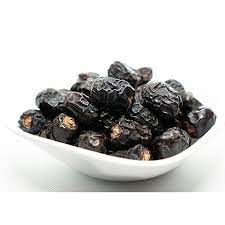
Dates have long been valued as one of the world’s most energy-rich and nutritious fruits, especially varieties like kurma ajwa, which are celebrated for their exceptional taste and health benefits. Across many cultures, dates have been used as a natural source of energy and nourishment for thousands of years. Today, growing scientific evidence supports what traditional communities have always believed: dates are packed with essential vitamins and minerals that contribute to improved health, vitality, and daily wellness.
Understanding the nutrient density of dates
Nutrient-dense foods are those that provide a high concentration of vitamins, minerals, antioxidants, and beneficial compounds relative to their calorie content. Dates fit this definition exceptionally well. Although they are naturally sweet and energy-rich, their nutritional value goes far beyond sugars. Dates contain significant amounts of potassium, magnesium, iron, copper, manganese, vitamin B6, and folate. They also supply fiber, antioxidants, and amino acids, making them an excellent choice for individuals seeking whole, natural foods that contribute to long-lasting energy and wellness. Their nutrient density is one of the reasons dates are widely consumed during fasting periods, physically demanding activities, and daily snacking routines.
Potassium: supporting muscle function and fluid balance
Potassium is one of the most abundant minerals in dates, and it plays a vital role in supporting muscle function and fluid balance. Children, adults, and active individuals benefit from potassium’s ability to support muscle contractions, nerve signaling, and hydration. Many people do not consume enough potassium, so adding dates to meals or snacks is a simple way to increase daily intake. This mineral also assists in maintaining normal fluid balance in the body, preventing muscle cramps.

Magnesium: essential for energy production and nerve health
Magnesium is another essential mineral found in dates, contributing to more than 300 biochemical reactions within the body. It plays a central role in energy production, muscle relaxation, nerve function, and protein synthesis. For individuals who experience fatigue, stress, or muscle tension, magnesium-rich foods like dates can offer support. Magnesium also helps regulate calcium levels, promoting strong bones and healthy muscle function. Many diets today are deficient in magnesium due to processed food consumption, making dates a convenient natural source of this vital mineral.
Iron: supporting blood health and reducing fatigue
Iron is crucial for producing hemoglobin, the protein in red blood cells that carries oxygen throughout the body. Dates contain a modest but meaningful amount of iron, making them beneficial for individuals who experience low energy or fatigue. While dates alone are not a substitute for medical supplementation where a real deficiency is diagnosed, they are a valuable addition to iron-supportive diets. Women, adolescents, and people with high physical activity levels particularly benefit from incorporating dates into their meals. When paired with vitamin C-rich foods like oranges or berries, the iron in dates becomes even more absorbable.
Copper: red blood cells and metabolism
Copper is another essential mineral found in dates, though it is often overlooked compared to iron or potassium. Copper plays a significant role in red blood cell formation, iron absorption, and collagen production. It also supports metabolic processes and helps protect cells from oxidative stress. Dates naturally contain copper in amounts that complement their iron content, creating a synergistic effect for supporting blood health. For growing children and active individuals, copper is vital for maintaining energy levels and metabolic balance.
Manganese: supporting bone health and antioxidant function
Dates also contain manganese, a trace mineral that supports bone development, enzyme function, and antioxidant activity. While required only in small amounts, manganese plays a crucial role in protecting cells from damage caused by free radicals. It also helps regulate carbohydrate metabolism and supports the formation of connective tissues. Manganese works in harmony with other minerals found in dates to strengthen bones, support healing, and promote proper metabolic function.
Vitamin B6: supporting brain development and metabolism
One of the most important vitamins found in dates is vitamin B6 (pyridoxine), which is vital for brain development, cognitive function, and metabolic processes. Vitamin B6 plays a key role in producing neurotransmitters such as serotonin and dopamine, which influence mood, concentration, and sleep. This makes dates a particularly beneficial snack for students, working professionals, and anyone seeking natural support for cognitive function. B6 also assists in breaking down proteins, fats, and carbohydrates into usable energy, making dates an excellent pre-workout or mid-day energy snack.
Folate: essential for growth and cell formation
Folate, also known as vitamin B9, is essential for the development of new cells, DNA formation, and proper brain function. Dates provide a natural, plant-based source of folate alongside the other B vitamins already covered above. Folate is also important for adolescents and adults, supporting tissue repair and general health.
As more consumers seek nutrient-dense foods to support their lifestyle, some also compare options like harga kurma ajwa di malaysia when making informed dietary choices. Regardless of variety or origin, dates offer an impressive nutritional profile that sets them apart from many commonly consumed fruits and snacks. Our own kurma ajwa range and kedai kurma stock carry several varieties mentioned in this article.
Fiber: supporting digestive health and blood sugar balance
Dates are well-known for their high fiber content, which supports digestive regularity and promotes a healthy gut environment. Fiber helps soften stool, prevent constipation, and improve bowel movements. In addition to digestive benefits, fiber helps slow the absorption of glucose. Although dates are naturally sweet, their fiber content ensures a steadier release of energy than many processed snacks that spike blood sugar quickly.
Natural sugars: a better source of energy
The natural sugars in dates—glucose, fructose, and sucrose—provide quick yet steady energy. Unlike refined sugar or artificial sweeteners, these natural sugars are accompanied by fiber, vitamins, and minerals that support balanced energy release. Athletes, students, and busy professionals often rely on dates for fast energy before workouts, during sports, or as mid-day snacks. Their natural sugars help restore glycogen levels while providing additional health benefits.
Antioxidants: protecting cells from damage
Dates contain a wide range of antioxidants, including flavonoids, carotenoids, and phenolic acid. These antioxidants protect cells from oxidative stress, which contributes to aging and inflammation over time. Flavonoids help reduce inflammation. Carotenoids promote eye health. Phenolic acid also helps reduce inflammation. The antioxidant content in dates makes them more than a sweet snack — they are protective foods that support long-term health.
Amino acids: supporting growth and repair
Dates contain small amounts of amino acids, the building blocks of proteins. These amino acids support tissue repair, hormone production, and metabolic function. While dates are not high in protein themselves, their amino acid content complements proteins from other foods. When eaten with nuts, yogurt, or grains, dates help create a more complete nutrient profile. This makes them ideal for snacks that support muscle repair, growth, and daily energy needs.
Comparison of nutritional value across date varieties
While all dates offer nutritional benefits, certain varieties contain higher levels of specific nutrients. For example, Ajwa dates are known for their strong antioxidant profile, while Medjool dates are prized for their high potassium content. Deglet Noor dates are lower in calories but still pack notable amounts of fiber and minerals. Choosing a variety depends on personal preference, intended use, and nutritional goals. Regardless of the type, dates remain one of the most nutritious dried fruits available.
How dates fit into a balanced diet
Dates can easily be incorporated into daily meals to increase the overall nutritional value of one’s diet. Their natural sweetness makes them a perfect substitute for refined sugar in baking, smoothies, yogurt bowls, and sauces. They pair well with nuts, cheese, whole grains, and fruits. Consuming dates in moderation provides essential nutrients without adding unhealthy ingredients. Because they are calorie-dense, a small serving—usually two to four dates—is enough to receive their full nutritional benefits.
Supporting health through natural foods
As more individuals move away from heavily processed foods, dates offer a wholesome and natural alternative. Their vitamin and mineral content supports nearly every bodily system—from digestion to cognitive function. Dates are particularly valuable for people with nutrient deficiencies, high energy needs, or demanding lifestyles. They are easy to store, travel-friendly, and require no preparation, making them a convenient addition to any diet.
How nutrients in dates support special populations
Certain populations benefit even more from the nutrients in dates. Athletes gain energy and mineral replenishment from natural sugars, potassium, and magnesium. Children receive cognitive support from vitamin B6 and steady energy from fiber-rich natural sugars. Elderly individuals benefit from the antioxidant content and bone-supporting minerals. This broad applicability makes dates a versatile food that supports wellness across different life stages.
Choosing quality dates for maximum nutrition
The nutritional value of dates is influenced by their freshness, storage, and cultivation methods. High-quality dates retain more vitamins, minerals, and antioxidants. Fresh, moist dates typically contain higher nutrient levels than dried-out or overly processed varieties. When purchasing dates, consumers should look for plump, glossy, and soft fruits without excessive sugar crystallization. Proper storage in cool, dry environments helps maintain freshness and nutrient integrity over time.
Practical ways to add dates to your diet
Incorporating dates into daily meals is simple and enjoyable. They can be chopped and added to oatmeal, blended into smoothies, used as natural sweeteners in sauces, or stuffed with nuts for a nutrient-dense snack. Dates also enhance baked goods, energy bars, and desserts without the need for refined sugar. Some individuals enjoy them paired with cheese, yogurt, or savory dishes. Their versatility makes them suitable for sweet, savory, and nutritious recipes alike.
Conclusion
Dates are far more than a sweet fruit—they are a source of essential vitamins and minerals that support whole-body health. From potassium and magnesium to iron, copper, manganese, vitamin B6, and folate, their nutrient profile is one of the richest among dried fruits. These nutrients contribute to energy production, blood formation, cognitive function, and digestion. Combined with antioxidants, fiber, and natural sugars, dates represent a complete and balanced food suitable for people of all ages. Whether eaten alone or added to meals, dates deliver long-lasting nourishment that reflects centuries of traditional use and modern nutritional recognition.