

Kurma Malaysia and the Environmental Impact of Date Farming
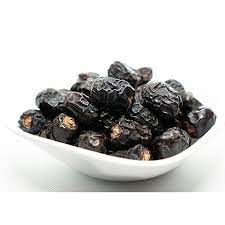
Dates, known in Malaysia as Kurma, show up everywhere from neighbourhood markets to festive spreads. Beyond the sweetness, though, growing dates raises real questions about water use and land. This post looks at Kurma Malaysia alongside the environmental side of date farming.
The range of Kurma available in Malaysia
Suppliers here — from established importers to online sellers — offer a wide range of dates to match different tastes and budgets. Some of the more common varieties:
- Medjool: large, soft, and known for a rich, caramel-like sweetness.
- Deglet Nour: golden-brown with a mild honey note and a slightly chewy bite.
- Barhi: thin-skinned and delicate, with a honeyed, faintly floral flavour — pricier because it’s harder to handle without damage.
- Ajwa: also called Madina dates, dark and dense with a caramel-and-smoke flavour. Limited harvests and specific growing conditions keep supply tight.
- Sayer: medium, oblong, dark brown, with a chewy texture and notes of toffee and spice.
- Khalas: elongated and amber-skinned, sweet with a touch of dryness — a good pick for anyone who wants a less sugary date.
Ajwa in particular carries cultural weight in Malaysia — dates generally show up during Ramadan and Eid al-Fitr, often given as gifts. Availability for Ajwa specifically can be limited by season, since it only grows well under fairly narrow conditions.
The environmental side of date farming
Date palms need a lot of water, particularly in the arid regions where most commercial groves are, and that demand competes with other uses in places already short on water. Large plantations also change land use in ways that can affect local ecosystems, and heavy nitrogen fertiliser use can degrade soil and pollute waterways over time. Pollination is its own trade-off: hand pollination is labour-intensive but avoids the disruption to natural pollinators that mechanical methods can cause.
How much of an impact a given farm has depends a lot on where it is and how it’s run. Water conservation methods and careful fertiliser use cut the footprint significantly; the local water supply and existing ecosystem set the baseline the farm has to work within.
Buying with this in mind
None of this means dates are a bad choice — it means the source matters. Suppliers who work with farms using responsible irrigation and fertiliser practices are worth seeking out over ones who can’t say anything about where their stock comes from. Supporting local and regional growers where practical is one of the more direct ways a buyer can influence which farming practices get rewarded.
Key points:
- Malaysia’s Kurma suppliers carry a wide range of varieties, each suited to different tastes and uses.
- Date farming’s environmental cost centres on water use, land conversion, and fertiliser run-off.
- Farming practices and location both shape how heavy that footprint actually is.
- Buying from suppliers who can speak to their farms’ practices is a practical way to support better farming.