

Health Benefits of Ajwa Dates
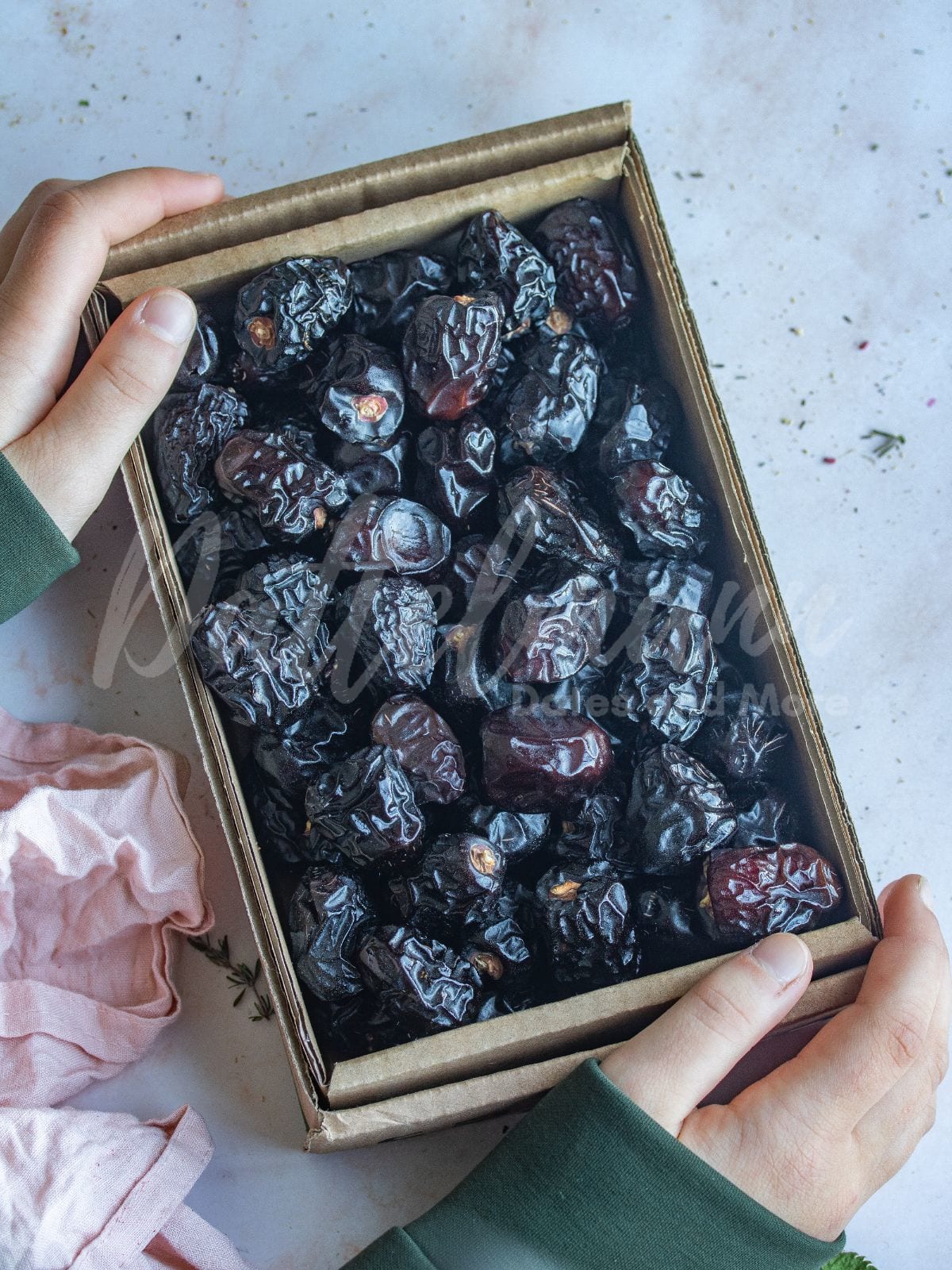
Ajwa and Mazafati both come out of the Middle East and Iran’s date belt, but they sit at opposite ends of one thing exporters actually have to manage: moisture. Get that difference wrong and a shipment arrives spoiled instead of sold.
Two very different moisture levels
Ajwa is picked and dried closer to the tamr stage, low moisture, dark and wrinkled, and stable at room temperature for months. Mazafati is usually sold fresh as rotab, soft, dark, almost black, with a moisture content high enough that it ferments within days if it sits unrefrigerated. That single difference decides how each one has to travel: Ajwa in a standard container, Mazafati in a cold chain from the Bam and Kerman orchards all the way to the shelf.
What that means for export and storage
A Mazafati shipment that loses refrigeration for even part of the route arrives with a sour smell and a wet, collapsed texture, no coming back from that. Ajwa is far more forgiving. It can sit in a warehouse for a season without special handling, which is part of why it costs less to move long distance despite the premium name. Kurma Ajwa online reflects that lower handling cost in a more stable year-round price than fresh Mazafati, which swings with the cold-chain and harvest calendar.
Taste and how each is eaten
Fresh Mazafati has a wet, almost syrup-like sweetness that dried dates don’t have, and it is usually eaten within a week or two of import rather than stored. Ajwa is chewier and drier, closer to a raisin, and keeps well enough to sit in a pantry for months. Jual Kurma Ajwa at that stable, storable end of the market suits buyers who want to keep stock on hand; Mazafati suits buyers who want it fresh and are ready to sell it fast.
Buying either one
If a Mazafati batch has been sitting warm at a stall for more than a few days, skip it, the fermentation risk is real and the flavour goes off before it looks obviously spoiled. Ajwa carries none of that urgency. Our fresh rotab Mazafati sourcing guide and Mazafati grading page cover the cold-chain details for the variety we export.