

Harga Kurma Di Malaysia: Prices and Varieties of Dates
Introduction
Harga Kurma Di Malaysia depends on more than just the fruit — origin, size grade, and whether the stock is organic or specialty all move the price. This post breaks down what drives dates prices in Malaysia and compares the nutritional content of dates to other fruits.
Understanding harga kurma di Malaysia
Dates hold a significant place in Malaysian culture and cuisine. Their natural sweetness and rich flavour make them a popular choice among consumers. Here’s a closer look at dates in Malaysia — the varieties on offer, what they cost, and what’s in them.
Exploring date varieties and prices
Common date varieties in Malaysia
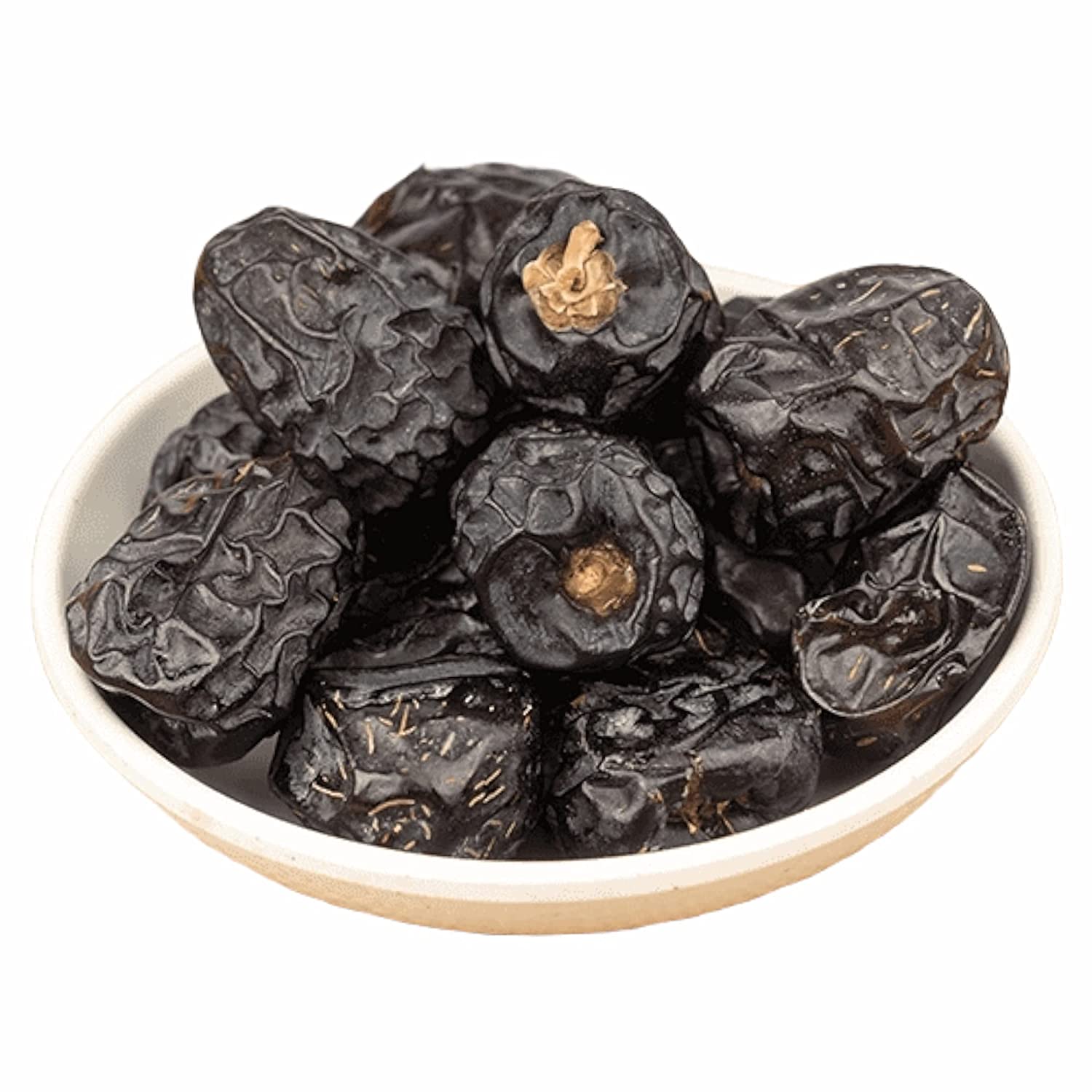
Mariami dates are one of the most widely available varieties in Malaysia, known for a soft texture, caramel-like taste, and medium sweetness. Medjool dates are prized for their large size, moist flesh, and honey-like flavour, often called the “king of dates.” Malaysia also imports Deglet Noor, Zahidi, and Khadrawy, each with its own texture and taste.
What moves the price
Dates imported from Saudi Arabia, Iran, and Tunisia often command higher prices on reputation and quality alone. Size and grade matter too — larger, plumper dates with fewer blemishes fetch more. Organic and specialty dates, grown without pesticides or in limited supply, carry a premium on top of that.
Dates vs. other fruits: nutritional content
Sweetness and fibre
Dates are naturally sweet and work as an alternative to refined sugar in cooking. They’re also higher in dietary fibre than most other fruits, which is part of why they’re filling in small quantities.
Vitamins and minerals
Dates are a good source of potassium, magnesium, and vitamin B6 — minerals that show up in most nutrition comparisons between dates and other dried fruit.
Antioxidants and energy
Dates contain antioxidants such as flavonoids and carotenoids, and their natural sugar content — mostly fructose and glucose — makes them a quick source of energy, similar to raisins or dried figs but with a denser texture.
How organic and specialty dates are grown in Malaysia
Farmers pick varieties suited to the local climate — often organic-certified Mariami or Medjool, or smaller specialty lines. Soil prep comes first: well-drained ground, worked with compost rather than synthetic fertiliser. New palms are grown from offshoots taken off mature trees, spaced out for airflow, then irrigated by drip line rather than flood — date palms need steady moisture, not standing water.
Pest and disease control on organic plots relies on crop rotation, companion planting, and biological controls instead of synthetic sprays, with weeds kept down by mulching and hand-weeding. Palms are pruned regularly to remove dead fronds and excess offshoots, both for airflow and to cut disease risk.
Harvest timing comes down to colour, texture, and taste rather than a fixed calendar date, and pickers sort fruit by quality as it comes off the tree. After that, dates are cleaned, dried to the right moisture level, and packed for market. Organic certification adds a paperwork layer on top — records of every step, checked against regulatory standards before the “organic” label can go on the packaging.
Key highlights
Mariami and Medjool are the most common varieties in Malaysia, with price driven by origin, size, grade, and organic/specialty status. Dates carry more dietary fibre than most fruit, plus potassium, magnesium, and vitamin B6, and their natural sugar content makes them a fast source of energy.
Conclusion
Harga kurma di Malaysia comes down to origin, grade, and how the dates were grown — not a fixed price tag. Whether you’re buying Mariami for daily snacking or Medjool for a special occasion, knowing what drives the price helps you judge whether a deal is actually good value.